
Welcome to your ultimate Dachshund training journey! 🎉 These adorable wiener dogs with their long bodies and big personalities can become the most wonderful companions with proper guidance. In this comprehensive guide, I'll walk you through proven Dachshund training techniques that address their unique temperament and physical needs. Whether you've just brought home a Dachshund puppy or are looking to teach your adult sausage dog new tricks, these step-by-step Dachshund training methods will transform your stubborn pup into an obedient, happy family member. From basic commands to advanced tricks, potty training to leash walking, I've got you covered with everything you need for successful Dachshund training that works!

Key Takeaways 🔑
- Understanding your Dachshund's unique personality is essential for effective training
- Positive reinforcement works best for these intelligent but stubborn dogs
- Consistent Dachshund training prevents common behavioral issues
- Protecting your dog's back is crucial during all training activities
- Training sessions should be short, fun, and engaging to maintain interest
- Early socialization creates a well-rounded and confident Dachshund
Understanding Your Dachshund's Unique Personality 🧠
Before diving into Dachshund training techniques, let's understand what makes these little hotdogs tick! 🌭 Dachshunds were originally bred in Germany to hunt badgers, which explains their tenacious, brave, and sometimes stubborn nature. This hunting background shaped both their distinctive physique and their determined personality.
Your Dachshund likely possesses these common traits:
- Intelligent but independent thinkers 🤔
- Curious and adventurous explorers 🔍
- Loyal and affectionate with family ❤️
- Somewhat suspicious of strangers 👀
- Prone to barking at perceived threats 🗣️
- Natural diggers and chasers 🕳️
These characteristics make Dachshund training both rewarding and challenging. Their intelligence means they can learn quickly, but their independent streak might have them questioning why they should follow your commands! Understanding this balance is key to successful Dachshund training.

The Essential 5-Step Dachshund Training Process 📝
Let's break down Dachshund training into five manageable steps that build upon each other. Following this structured approach will help both you and your wiener dog enjoy the training journey! 🏆
1. Establish Leadership and Trust 👑
Your Dachshund needs to see you as a confident, calm leader they can trust. This doesn't mean being harsh or domineering—quite the opposite! Create clear boundaries and consistent rules in your home from day one.
🔹 Daily trust-building activities:
- Gentle handling of paws, ears, and mouth
- Regular feeding schedules
- Calm, predictable interactions
- Quality bonding time without demands
Remember, your Dachshund will respect a leader who is consistent and fair. Avoid raising your voice or using physical corrections, as these can damage trust and make Dachshund training much more difficult.
2. Master Potty Training 🚽
Potty training can be challenging with Dachshunds, especially during cold or rainy weather (which many absolutely hate! 🌧️). Consistency is your best friend here.
🔹 Potty training schedule:
- First thing in the morning ☀️
- After meals 🍽️
- After playtime 🎾
- After naps 😴
- Before bedtime 🌙
- Every 2-3 hours for puppies
When your Dachshund eliminates outside, immediately reward with praise and treats. For accidents, never punish—simply clean thoroughly with an enzymatic cleaner to remove all scents that might attract them back to the same spot.

3. Teach Basic Commands 🎓
Now it's time for the core Dachshund training commands that form the foundation of good behavior. Keep sessions short (5-10 minutes max) and always end on a positive note!
🔹 Commands to master first:
- Sit
- Stay
- Come
- Down
- Leave it
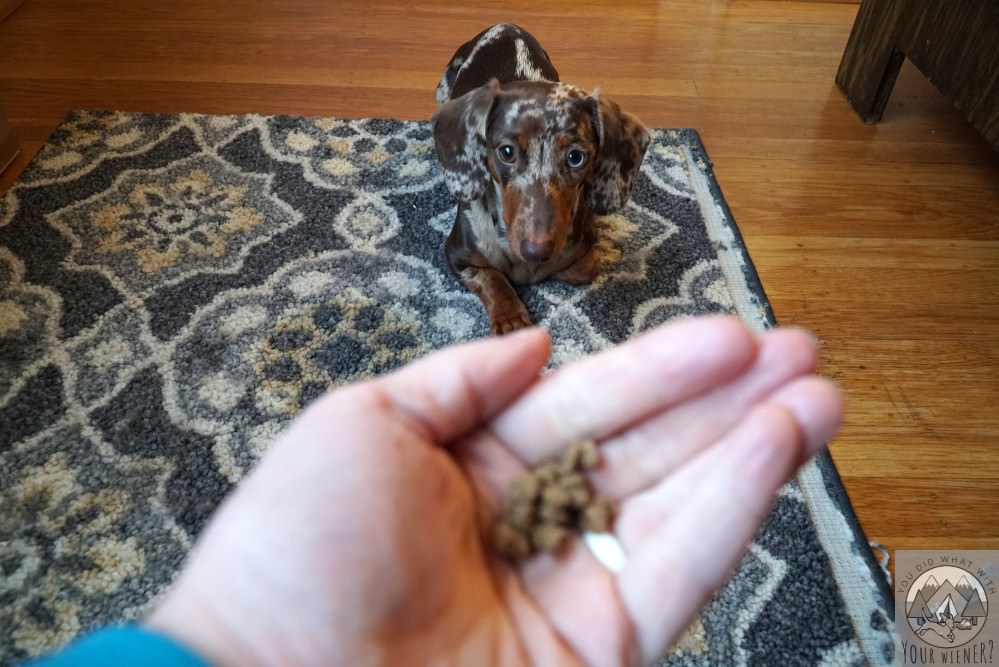
For Dachshund training success, use high-value treats that motivate your pup. Small pieces of cheese, cooked chicken, or freeze-dried liver often work wonders! 🧀 Remember that Dachshunds can be food-motivated but also easily distracted, so train in a quiet environment initially.
4. Address Behavior Issues 🚫
Every Dachshund has some natural tendencies that can become problematic if not properly channeled. Being proactive about these common issues will make life with your wiener dog much more harmonious! 🎵
🔹 Common Dachshund challenges:
- Excessive barking
- Digging
- Separation anxiety
- Possessiveness
- Jumping up
For barking, teach a "quiet" command by waiting for a pause, saying "quiet," and immediately rewarding. For digging, create a designated digging area in your yard where this natural behavior is permitted and encouraged.
5. Advance to Fun Tricks 🎪
Once your Dachshund has mastered the basics, it's time for the fun part! Teaching tricks provides mental stimulation and strengthens your bond. Plus, it's adorable to show off your clever pup to friends and family! 😍
🔹 Dachshund-friendly tricks:
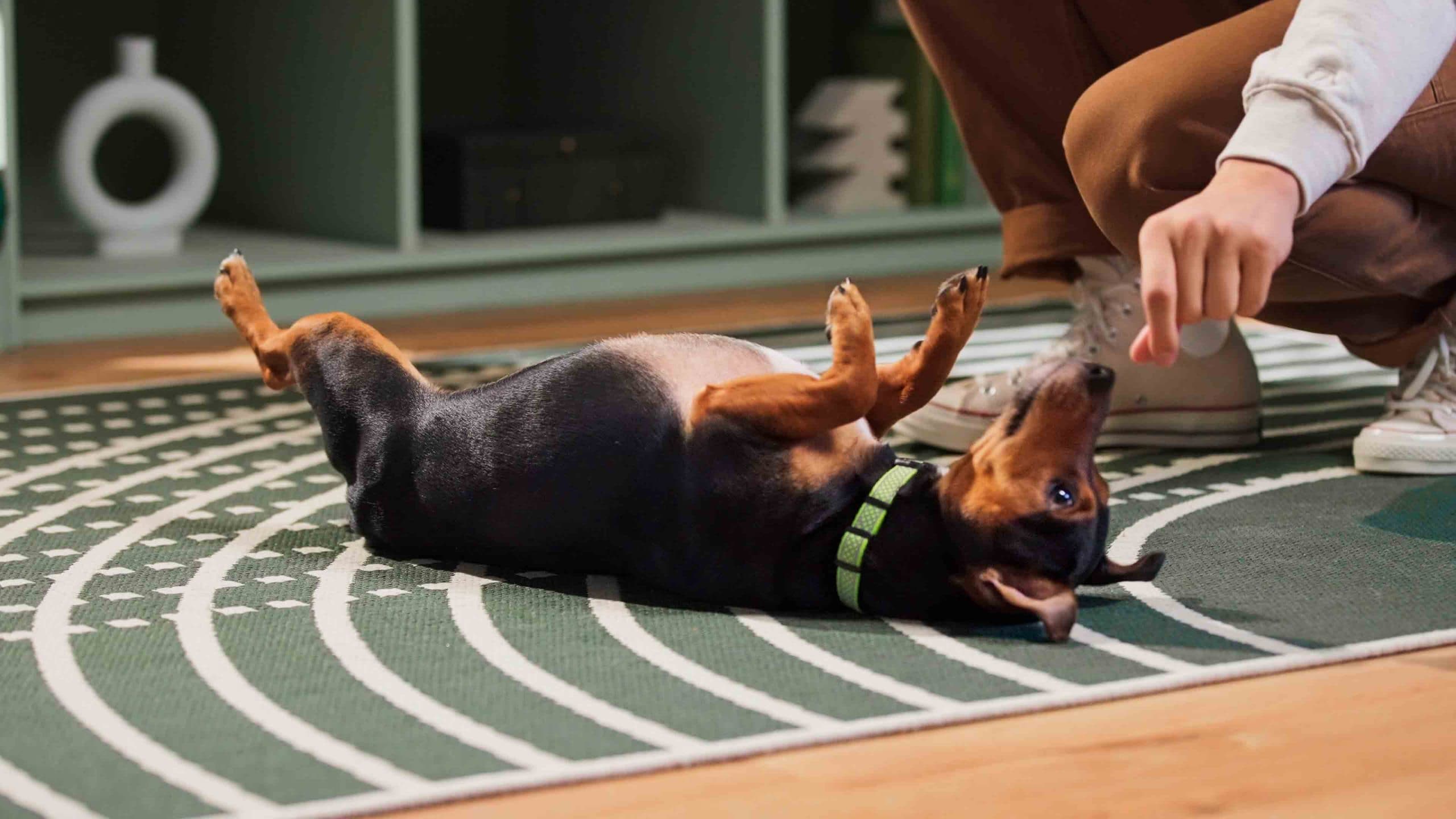
- Roll over
- Shake hands
- High five
- Speak
- Play dead
- Army crawl
The "army crawl" is especially suited to their long, low body type and looks absolutely adorable! 🥰 Always protect your Dachshund's back during trick training by avoiding jumps or standing on hind legs for extended periods.
Dachshund Training Schedule Chart 📊
Here's a helpful daily schedule to keep your Dachshund training on track:
| Time | Activity | Training Focus | Duration |
|---|---|---|---|
| 7:00 AM | Wake up & potty | Reinforce "Go potty" command | 5 minutes |
| 7:30 AM | Breakfast | Practice "sit" and "stay" before meals | 2 minutes |
| 8:00 AM | Morning walk | Leash training & basic commands | 20-30 minutes |
| 10:00 AM | Training session | Focus on one command or trick | 5-10 minutes |
| 12:00 PM | Lunch & potty | Reinforce mealtime commands | 15 minutes |
| 2:00 PM | Playtime/enrichment | Hide treats for "find it" game | 15 minutes |
| 4:00 PM | Training session | Review morning skills & add one new challenge | 5-10 minutes |
| 6:00 PM | Dinner & potty | Reinforce patience at mealtimes | 15 minutes |
| 7:00 PM | Evening walk | Practice loose-leash walking | 20-30 minutes |
| 9:00 PM | Quiet time & final potty | Practice "settle" command | 10 minutes |
Remember that consistency is key to successful Dachshund training! 🔄
Special Tips for Successful Dachshund Training 💯
Protecting Their Back 🦴
One of the most important aspects of Dachshund training is protecting their unique long back. Their distinctive shape makes them vulnerable to intervertebral disc disease (IVDD).
🔹 Back protection measures:
- Avoid jumping on/off furniture
- Use ramps or stairs for beds/couches
- Support both chest and hindquarters when lifting
- Keep them at a healthy weight
- Avoid high-impact activities
Always adapt your Dachshund training to accommodate these physical needs. For example, keep agility jumps very low to the ground, and focus on tricks that don't strain their spine.

Using the Right Rewards 🍖
Every Dachshund has unique preferences when it comes to rewards. Some are highly food-motivated, while others might prefer toys or praise. Experiment to find what really lights up your pup's eyes!
🔹 Effective reward options:
- Tiny training treats (low calorie to prevent weight gain)
- Brief play sessions with a favorite toy
- Enthusiastic verbal praise
- Gentle petting
- Life rewards (getting to go outside, etc.)
For the best Dachshund training results, vary your rewards to keep your dog engaged and excited about learning. 🤩
Dealing with Stubbornness 😤
Let's be honest—Dachshunds can be remarkably stubborn! When your wiener dog gives you that "make me" look, try these strategies:
🔹 Stubborn Dachshund solutions:
- Increase the value of your rewards
- Make training more game-like and fun
- Keep sessions very short to prevent boredom
- Change training locations for variety
- End on success, even if it's just a small one
Never try to win a battle of wills with your Dachshund—you'll both end up frustrated! Instead, make them think that following your commands is their brilliant idea. 🧠
Top 5 Dachshund Training Mistakes to Avoid ❌
- Inconsistent rules - Dachshunds thrive on consistency and get confused when rules change
- Harsh corrections - Negative training damages trust and can increase stubbornness
- Too-long sessions - Short attention spans require brief, focused training periods
- Ignoring physical limitations - Always protect their back during all activities
- Inadequate socialization - Early exposure to various people, places, and situations is crucial
Avoiding these common mistakes will make your Dachshund training journey much smoother and more enjoyable for both of you! 🛣️
Final Thoughts on Dachshund Training 💭
Training your Dachshund to be the best dog ever is a rewarding journey that strengthens your bond while creating a well-behaved, confident companion. Through understanding their unique personality, using positive reinforcement, and following the step-by-step guides in this article, you can transform even the most stubborn Dachshund into a model canine citizen.
Remember that Dachshund training is not a destination but an ongoing process. Continue to challenge your wiener dog with new activities and learning opportunities throughout their life. Their keen intelligence thrives on mental stimulation, and regular training keeps their mind sharp while preventing boredom-related behavior problems.
As you move forward with your Dachshund, celebrate each small victory along the way. Every successful command, each accident-free day, and every new trick mastered represents progress toward your ultimate goal. With patience, consistency, and the techniques outlined in this comprehensive guide, you and your Dachshund are well on your way to an exceptional partnership built on mutual trust, respect, and lots of wiener dog love! ❤️🌭🐕
FAQ: Dachshund Training Questions Answered 🤔
How long does it typically take to house train a Dachshund?
House training a Dachshund usually takes 4-6 months, though some may need up to a year to become fully reliable. Consistency, immediate rewards for outdoor elimination, and a regular schedule are key to success. Be patient—Dachshunds can be stubborn about potty training, especially in bad weather! ☔
Are Dachshunds harder to train than other breeds?
Yes, Dachshunds can be more challenging to train due to their independent, stubborn nature. They were bred to make hunting decisions on their own rather than constantly looking to humans for direction. However, with consistent positive reinforcement and engaging training methods that appeal to their intelligence, Dachshunds can learn effectively. 🧠
How do I stop my Dachshund from digging up my yard?
Instead of trying to completely stop this natural behavior, create a designated digging area for your Dachshund where it's permitted. Fill it with loose soil or sand and bury toys or treats to encourage appropriate digging. When caught digging elsewhere, gently redirect them to the acceptable area. This channels their instincts in a constructive way! 🕳️
What's the best age to start training a Dachshund puppy?
Basic Dachshund training can begin as early as 8 weeks with simple commands like "sit" and name recognition. Early socialization should start immediately. Keep sessions very short (2-3 minutes) for puppies and focus on making them fun. Remember that young puppies have limited attention spans and bladder control, so adjust your expectations accordingly! 🐶
How do I protect my Dachshund's back during training?
To protect your Dachshund's back, avoid activities requiring jumping on/off furniture or stairs. Use ramps where possible and lift properly by supporting both chest and rear. Maintain a healthy weight and choose training exercises that don't involve twisting or high-impact movements. For tricks, focus on those that keep all four paws on the ground or provide proper support. 🦴